
Leave Your Message
Explore our purpose-built clinic door range — designed to perform flawlessly in underground basements, humid corridors, and moisture-intensive medical environments.
Underground basements and moisture-prone spaces present some of the most demanding challenges for door performance. Standard doors deteriorate rapidly when exposed to persistent humidity, condensation, and groundwater seepage — making specialized clinic-grade solutions essential.
Clinic doors are engineered to meet strict hygiene, durability, and safety standards. When deployed in underground basements — such as hospital sub-floors, laboratory storage levels, or basement pharmacy units — these doors must simultaneously resist moisture intrusion, prevent microbial growth, and maintain structural integrity under constant humidity exposure. The medical-grade surface treatments and sealed frame systems used in FORTISAFE clinic doors provide a critical barrier against these compounding threats.
Humidity levels in underground basements routinely exceed 80–95% RH. Conventional steel doors rust, wooden doors warp and swell, and standard aluminium frames lose their sealing performance over time. Clinic doors designed for moisture-prone spaces incorporate galvanized steel cores, moisture-barrier composite panels, stainless steel hardware, and continuous perimeter sealing gaskets — all working together to prevent water ingress, corrosion, and structural failure over decades of use.
In healthcare facilities, underground levels often house sterilization rooms, specimen storage, CSSD departments, and mechanical plant rooms. These environments require doors with antimicrobial surface coatings, smooth non-porous finishes that resist biofilm formation, and airtight sealing to prevent cross-contamination between zones. FORTISAFE clinic doors for underground applications meet international infection control standards, including EN 1935 and ISO 10077 performance benchmarks.
Underground spaces face heightened fire risk due to limited ventilation and restricted evacuation routes. Clinic doors for basements must combine moisture resistance with certified fire-rated performance. FORTISAFE's steel clinic doors achieve fire resistance ratings of up to 120 minutes (EI120), ensuring that in the event of a fire, the door maintains its integrity, prevents smoke spread, and protects evacuation corridors — even in the most challenging below-grade environments.
The most advanced clinic doors for underground basements are no longer just physical barriers — they are intelligent, multi-functional systems that integrate moisture management, fire protection, acoustic insulation, and antimicrobial technology into a single engineered product. This convergence is reshaping how architects, hospital facility managers, and industrial engineers specify doors for below-grade and high-humidity applications globally.
The global demand for moisture-resistant clinic doors in underground and high-humidity environments is accelerating, driven by rapid urbanization, expanding healthcare infrastructure, and increasingly stringent building codes.
Major urban hospitals worldwide are expanding below ground to maximize land use — creating basement-level ICUs, operating preparation zones, pharmacy storage, and sterile supply departments. Each of these spaces demands clinic-grade doors with certified moisture resistance and hygiene performance.
Urban transit systems increasingly incorporate medical aid stations and first-response rooms in underground stations. These spaces experience extreme humidity fluctuations from air movement, condensation, and crowd activity — requiring clinic doors with robust moisture management and rapid-action closing mechanisms.
Pharmaceutical manufacturing facilities with underground cleanroom zones, cold storage corridors, and QC laboratories require doors that maintain controlled-environment integrity. Clinic-specification doors provide the airtight sealing, smooth cleanable surfaces, and chemical-resistant finishes demanded by GMP compliance standards.
Mixed-use high-rise developments increasingly locate medical clinics, dental practices, and diagnostic centres in basement levels. These spaces require clinic doors that combine aesthetic quality with moisture-proof construction — meeting both patient-facing design expectations and engineering performance requirements.
In coastal cities and flood-risk zones, underground facilities face episodic water exposure in addition to chronic humidity. Clinic doors for these markets must meet waterproof ingress ratings (IP54 or higher), with sealed thresholds, corrosion-proof hardware, and pressure-resistant frame systems that prevent water infiltration during flood events.
Underground data centres and critical infrastructure facilities housing sensitive equipment require clinic-specification doors for their server room access points and maintenance corridors — combining moisture resistance, dust control, electromagnetic shielding, and security-grade construction in a single solution.
From hospital basements to industrial underground complexes, clinic doors engineered for moisture-prone spaces serve a diverse and growing range of critical applications.
Modern hospital complexes routinely place critical support functions — including CSSD (Central Sterile Services Departments), morgue facilities, pathology labs, and linen processing — in basement levels. These environments operate at elevated humidity (often 60–80% RH) with frequent temperature cycling. FORTISAFE clinic doors for these applications feature hot-dip galvanized steel frames, stainless steel hinges and closers, continuous silicone perimeter gaskets, and smooth epoxy or powder-coated surfaces that resist both moisture and chemical cleaning agents used in hospital decontamination protocols.
Pharmaceutical cold storage facilities and underground vaccine repositories require doors that maintain controlled-environment integrity under continuous low-temperature, high-humidity conditions. Clinic doors for these applications incorporate thermal break technology to prevent condensation on door surfaces, magnetic sealing systems for airtight closure, and anti-corrosion coatings rated for exposure to cleaning chemicals including isopropyl alcohol and quaternary ammonium compounds. FORTISAFE's solutions meet WHO pre-qualification standards for vaccine storage facility construction.
Underground metro stations and transit hubs in major cities increasingly incorporate first-aid rooms, AED stations, and paramedic response bases. These spaces experience dramatic humidity swings as trains move through tunnels, creating condensation cycles that rapidly degrade standard door materials. Clinic doors specified for transit medical facilities must withstand vibration, pressure differentials from train movements, and constant humidity exposure — while maintaining the smooth, hygienic surfaces required for medical use. FORTISAFE's transit-grade clinic doors incorporate reinforced frames and vibration-dampening mounting systems.
Semiconductor fabrication plants, biotech research facilities, and food processing complexes frequently locate cleanroom zones and quality control laboratories in basement levels where temperature and humidity can be more precisely controlled. These environments demand clinic-specification doors with particle-tight sealing, static-dissipative surface options, and frame systems that maintain dimensional stability across the full range of cleanroom temperature and humidity set-points. FORTISAFE offers custom-engineered clinic door solutions for ISO Class 5–8 cleanroom applications.
The clinic door industry for underground and moisture-prone applications is undergoing rapid technological evolution, driven by smart building integration, sustainability mandates, and increasingly sophisticated user requirements.
Next-generation clinic doors for underground spaces will incorporate embedded humidity and temperature sensors, transmitting real-time environmental data to building management systems. This enables predictive maintenance — alerting facility managers when sealing performance degrades before moisture damage occurs.
Environmental regulations and green building certifications (LEED, BREEAM) are driving demand for clinic doors manufactured from recycled steel, low-VOC coatings, and sustainably sourced composite materials — without compromising moisture resistance or fire performance ratings.
Clinic doors for secure underground medical and pharmaceutical facilities increasingly integrate biometric access control, RFID card readers, and remote-monitoring systems — all engineered to function reliably in high-humidity environments that would compromise standard electronic security hardware.
Silver-ion and copper-infused antimicrobial coatings are becoming standard specifications for clinic doors in underground healthcare environments, providing continuous surface disinfection between cleaning cycles — critical in basement-level isolation rooms and infectious disease management zones.
Prefabricated clinic door systems with pre-installed frames, hardware, and sealing components are gaining traction for underground construction projects, reducing on-site installation time, minimizing moisture exposure during installation, and ensuring consistent quality across large-scale hospital or industrial projects.
International convergence of building codes and healthcare facility standards (EN, ANSI, GB standards) is creating unified performance benchmarks for clinic doors in moisture-prone environments — enabling manufacturers like FORTISAFE to deliver certified solutions to global markets with consistent quality assurance.
Dujiangyan Jindun Protective Equipment Co., Ltd. is a professional manufacturer of doors and windows. Our premium brand FORTISAFE, dedicated to the global market, is committed to delivering high-quality products and comprehensive services to customers worldwide.
Backed by three state-of-the-art manufacturing bases covering a total area of 35,000 square meters, we operate with a skilled team of over 120 professionals and 12 advanced production lines, achieving an annual capacity of 300,000 sets of doors and windows. This large-scale production capability not only ensures efficiency, but also provides our overseas partners with a stable and dependable supply chain.
As a comprehensive enterprise integrating R&D, manufacturing, sales, and after-sales service, we stand out with cutting-edge fully automated production equipment and intelligent management systems. Supported by over 20 patented technologies, we demonstrate strong technical expertise. Our extensive product range includes steel doors, wooden doors, medical doors, fire rolling shutters, fire rated windows, fire rated glass, and specialized doors and windows.


From initial consultation to final delivery, our streamlined OEM/ODM process ensures your clinic door specifications for underground and moisture-prone applications are met with precision and reliability.
The first step in our service is engaging in in-depth communication with customers to fully understand their specific needs. This includes the door and window dimensions, fire rating, design style, installation environment, and any special functional requirements.
Enquire Now →Based on your requirements, our professional design team will create detailed product drawings showcasing the appearance design, structural details, material specifications, and installation methods. You may propose revisions at this stage until the drawings fully meet your expectations.
Enquire Now →Once design drawings are finalized, communication with the R&D department ensures feasibility and compliance with safety standards. The R&D team evaluates technical requirements, selects appropriate materials and processes, and ensures product performance and quality.
Enquire Now →Before confirming the order, we discuss and finalize payment methods with the customer. Typically, this includes a deposit and balance payment, along with the agreed-upon payment schedule to ensure a smooth transaction process.
Enquire Now →Clearly defining the delivery time is crucial for the customer's project planning. We provide a reasonable delivery schedule based on the production plan and customer needs, with consistent communication throughout the production process providing timely progress updates.
Enquire Now →Once all details are confirmed, the order officially enters the production phase. The production team strictly follows drawings and specifications to ensure each door and window meets the highest quality standards, with multiple quality control inspections throughout production.
Enquire Now →FORTISAFE clinic door and specialty door solutions have been successfully deployed across major commercial, healthcare, and infrastructure projects — including underground basements and moisture-intensive environments.


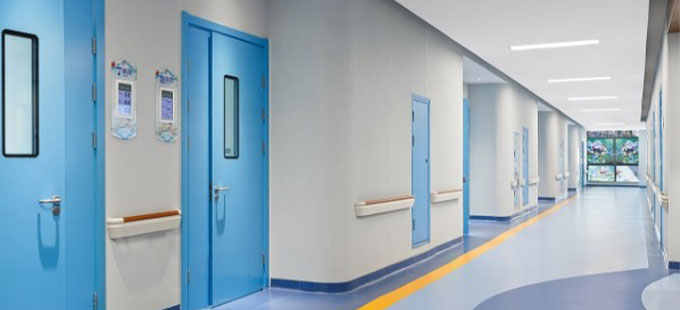


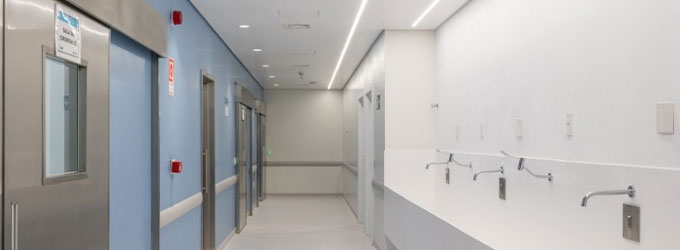
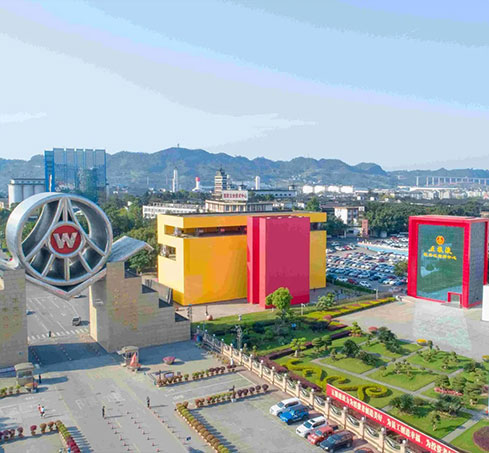

FORTISAFE clinic door solutions are trusted by leading real estate developers, infrastructure groups, and healthcare organizations across China and globally.


Discover our complete range of specialty doors engineered for underground basements, high-humidity corridors, and demanding medical or industrial environments.


