
Leave Your Message
Engineered for medical cleanrooms and sterile laboratories — precision-crafted for hygiene, energy efficiency, and long-term reliability.


Understanding why advanced window engineering is non-negotiable for cleanrooms and sterile laboratories worldwide.
In the global healthcare and life science industries, the physical infrastructure of medical cleanrooms and sterile laboratories is held to extraordinarily rigorous standards. Among all building envelope components, the window system is one of the most technically demanding elements to specify correctly. A thermal insulation aluminum window for medical cleanrooms and sterile laboratories must simultaneously satisfy requirements for airtight sealing, contamination prevention, thermal stability, chemical resistance, and long-term durability — all while supporting the operational integrity of the controlled environment within.
The global cleanroom technology market was valued at over USD 5.8 billion in 2023 and is projected to surpass USD 10 billion by 2030, driven by accelerating pharmaceutical manufacturing, biotechnology research, semiconductor production, and advanced medical device fabrication. Within this growth trajectory, the demand for specialized architectural components — particularly high-performance window systems — is rising at a compound annual growth rate exceeding 7%. Thermal insulation aluminum windows represent a cornerstone of this infrastructure investment.
Aluminum alloy profiles have become the dominant framing material for cleanroom and laboratory windows for compelling technical and commercial reasons. Unlike steel, aluminum is inherently corrosion-resistant, making it ideal for environments subjected to frequent chemical disinfection, high-pressure steam cleaning, and hydrogen peroxide vapor sterilization. Unlike PVC or timber, aluminum does not off-gas volatile organic compounds (VOCs), does not harbor microbial growth in surface pores, and maintains dimensional stability across wide temperature ranges.
Modern thermal break aluminum profiles — featuring a polyamide or polyurethane insulating bridge between inner and outer aluminum sections — deliver U-values as low as 1.0–1.4 W/m²K, significantly reducing condensation risk on internal frame surfaces. In sterile environments, condensation is a critical contamination vector; eliminating it through superior thermal performance is therefore a direct infection control measure, not merely an energy efficiency consideration.
The smooth, anodized or powder-coated surfaces of high-grade aluminum frames are easy to wipe down, resist chemical attack from isopropyl alcohol, bleach-based disinfectants, and quaternary ammonium compounds, and can be manufactured with minimal internal crevices or joints where biofilm might accumulate.
Six engineering pillars that define a world-class thermal insulation aluminum window for cleanroom and laboratory use.
Polyamide thermal bridge interrupts heat transfer between inner and outer profiles, eliminating cold-surface condensation and maintaining stable internal temperatures critical to cleanroom HVAC efficiency.
Flush, crevice-free internal profiles with medical-grade silicone gaskets achieve airtight sealing to ISO Class 5–8 standards, preventing particle ingress and supporting positive or negative pressure differentials.
Anodized or PVDF powder-coated aluminum surfaces withstand repeated exposure to aggressive disinfectants, sterilizing agents, and cleaning protocols without degradation, discoloration, or surface breakdown.
Precision-engineered frame-to-wall connections and multi-point locking mechanisms maintain cleanroom pressure differentials, a critical requirement for pharmaceutical aseptic processing areas.
Large-format double or triple glazing options with low-E coatings provide maximum internal visibility for supervisory observation, reducing the need for staff entry and lowering contamination risk.
High-performance glazing with solar control coatings reduces heat gain, lowering the energy load on cleanroom HVAC systems that must maintain precise temperature and humidity 24/7, year-round.
How thermal insulation aluminum windows serve specific functional roles across the medical and life science built environment.
In aseptic fill-finish operations for injectable pharmaceuticals — one of the most contamination-sensitive manufacturing environments in any industry — windows serve as critical observation portals between the cleanroom interior and the surrounding Grade C or Grade D corridor. FORTISAFE thermal insulation aluminum windows installed in these applications feature flush-mounted internal glazing with no exposed fasteners, triple-seal gasket systems, and frames that are fully integrated into the cleanroom wall panel system to eliminate any gap, ledge, or horizontal surface where particles or microorganisms could accumulate.
The thermal break design is particularly valuable here because fill-finish suites often operate at tightly controlled temperatures (typically 18–22°C) while external corridors may be significantly warmer or cooler depending on season and geography. Without a proper thermal break, cold bridging through the aluminum frame would generate condensation on internal surfaces — a direct risk of microbial contamination in an environment where sterility is absolute.
Biosafety Level 2 and Level 3 laboratories handling infectious agents require window systems that contribute to the containment envelope integrity. In BSL-3 facilities in particular, windows must be sealed, non-openable, and capable of maintaining the negative pressure differential that prevents potentially hazardous aerosols from escaping the laboratory space. Thermal insulation aluminum windows with welded corner joints, structural silicone glazing, and factory-tested air permeability ratings are the specification of choice for these demanding installations.
Beyond containment, the ability to observe laboratory activities from outside without entering is a fundamental biosafety principle. Large-format thermally insulated observation windows positioned at strategic locations reduce the frequency of airlock entries, lowering both contamination risk and operational disruption.
Modern hospital operating theatres are classified cleanroom environments, typically ISO Class 5 or Class 6, where airborne particle counts must be controlled to protect patients from surgical site infections. Windows in operating theatre suites must integrate seamlessly with the laminar flow ceiling and wall systems, contributing to — not disrupting — the unidirectional airflow patterns that sweep particles away from the surgical field.
FORTISAFE thermal insulation aluminum windows for operating theatre applications are engineered with ultra-slim profiles to minimize visual obstruction while maximizing the cleanroom wall area available for laminar flow panels. The thermal performance of these windows also contributes to occupant comfort for surgical teams who may be working in these environments for extended periods under high-intensity lighting.
The global medical device industry — producing everything from implantable cardiovascular devices to single-use diagnostic consumables — relies on ISO Class 7 and Class 8 cleanrooms for assembly and packaging operations. In these environments, windows are specified not only for contamination control but also for worker wellbeing: natural light access, visual connection to the outside world, and reduced psychological fatigue are increasingly recognized as factors in maintaining workforce productivity and error reduction in precision assembly tasks.
Thermally insulated aluminum windows with solar control low-E glazing allow medical device manufacturers to introduce daylight into cleanroom environments without the thermal load or UV degradation risks that standard glazing would introduce. This represents a significant advance in cleanroom design philosophy, moving away from the traditionally windowless, artificially lit bunker model toward more human-centered facility design.
Cell and gene therapy manufacturing represents the cutting edge of pharmaceutical production, with facilities producing personalized medicines for individual patients. These facilities — often referred to as Advanced Therapy Medicinal Product (ATMP) manufacturing suites — operate under the strictest possible GMP conditions, frequently achieving ISO Class 5 (Grade A) conditions within isolators or RABS (Restricted Access Barrier Systems). The surrounding cleanroom envelope, including windows, must meet Grade B requirements.
In ATMP facilities, the window specification often includes additional requirements such as UV-blocking glazing to protect light-sensitive biological materials, antistatic surface treatments to prevent electrostatic particle attraction, and compatibility with hydrogen peroxide vapor (HPV) bio-decontamination cycles that are increasingly standard practice in these environments.
The evolving landscape of thermal insulation aluminum window technology for medical and laboratory environments.
Post-pandemic reshoring of pharmaceutical manufacturing capacity in North America, Europe, and Southeast Asia is driving a wave of new cleanroom facility construction. Governments and private investors are committing hundreds of billions of dollars to domestic vaccine production capacity, API manufacturing, and biologics facilities — all requiring high-specification cleanroom windows at scale.
Healthcare facility owners are increasingly pursuing LEED, BREEAM, and WELL building certifications. High-performance thermal insulation aluminum windows contribute to energy performance credits while supporting indoor environmental quality requirements. The shift toward net-zero healthcare campuses is accelerating demand for the highest-performance window systems available.
Electrochromic (smart) glazing integrated into thermally broken aluminum frames is emerging as a premium specification for research laboratory environments, allowing dynamic control of solar gain and glare without mechanical blinds that would compromise cleanroom integrity. IoT-connected window monitoring systems can also provide real-time data on frame temperature, seal integrity, and condensation risk.
The growth of modular and prefabricated cleanroom systems — where wall panels, windows, and HVAC components are factory-assembled and shipped as integrated units — is creating new demand for window systems designed for rapid, tool-free installation and guaranteed performance from day one. FORTISAFE's manufacturing capabilities are ideally positioned to support this trend with consistent, high-volume production of standardized and custom window units.
Dujiangyan Jindun Protective Equipment Co., Ltd. — the manufacturing powerhouse behind the FORTISAFE brand.


Dujiangyan Jindun Protective Equipment Co., Ltd. is a professional manufacturer of doors and windows. Our premium brand FORTISAFE, dedicated to the global market, is committed to delivering high-quality products and comprehensive services to customers worldwide.
Backed by three state-of-the-art manufacturing bases covering a total area of 35,000 square meters, we operate with a skilled team of over 120 professionals and 12 advanced production lines, achieving an annual capacity of 300,000 sets of doors and windows. This large-scale production capability not only ensures efficiency, but also provides our overseas partners with a stable and dependable supply chain.
As a comprehensive enterprise integrating R&D, manufacturing, sales, and after-sales service, we stand out with cutting-edge fully automated production equipment and intelligent management systems. Supported by over 20 patented technologies, we demonstrate strong technical expertise.
Our extensive product range includes steel doors, wooden doors, medical doors, fire rolling shutters, fire rated windows, fire rated glass, and specialized doors and windows. Each solution delivers precise and reliable quality to meet your diverse needs.
Read More About UsFrom initial consultation to final delivery — our proven six-step process ensures your thermal insulation aluminum window project is executed flawlessly.
In-depth communication to fully understand specific needs: dimensions, thermal rating, design style, installation environment, and special functional requirements for cleanroom or laboratory applications.
Enquire NowOur professional design team creates detailed product drawings showcasing appearance design, structural details, material specifications, and installation methods. Revisions welcome until fully aligned.
Enquire NowR&D team evaluates technical requirements, selects appropriate materials and processes, and ensures product performance meets cleanroom and sterile laboratory compliance standards.
Enquire NowTransparent discussion and finalization of payment methods including deposit and balance payment, along with agreed payment schedule to suit your project timeline and budget requirements.
Enquire NowWe provide a reasonable delivery schedule based on production plan and your project needs, with consistent communication and timely production progress updates throughout manufacturing.
Enquire NowProduction strictly follows drawings and specifications. Quality control team conducts multiple inspections ensuring every window unit is defect-free and meets the highest cleanroom-grade standards.
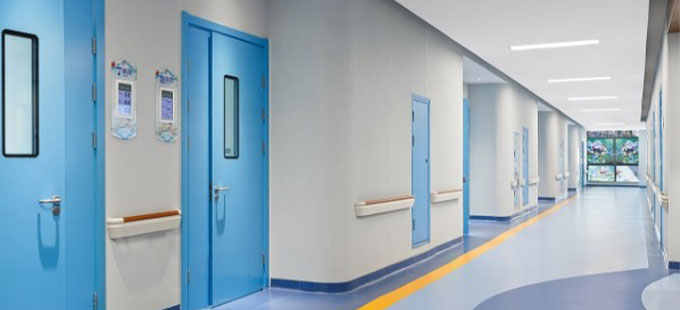
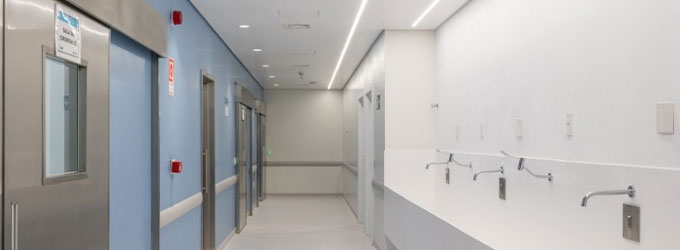
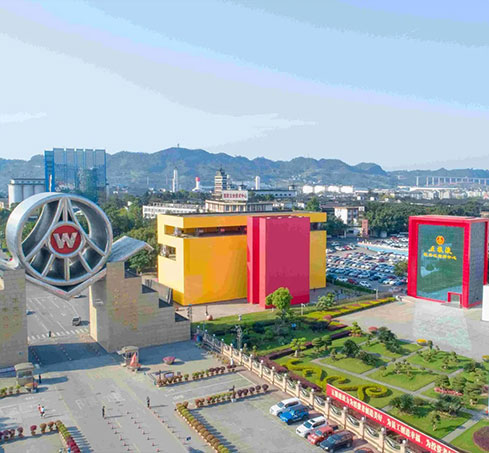
Enquire NowReal-world installations of FORTISAFE aluminum window systems across healthcare, laboratory, and high-specification commercial environments.

 View Detail
 View Detail
 View Detail
 View Detail
 View Detail
 View Detail
 View Detail
 View Detail
FORTISAFE is proud to collaborate with leading organizations across healthcare, infrastructure, and real estate development.


Explore our comprehensive range of aluminum window systems designed for medical cleanrooms, sterile laboratories, and controlled environments.