
Advanced Water Resistant Air Tight Doors: Ensuring Safety and Efficiency in Airport and Transit Settings
Water resistant air tight doors serve as critical infrastructure components within airports and transit hubs worldwide. Designed to maintain airtight seals against water intrusion, harsh weather conditions, and undesirable airflow, these doors enhance environmental control, security, and passenger comfort. In busy transit environments, the operational reliability and durability of these doors significantly reduce maintenance costs and downtime.
This article provides a comprehensive analysis of the commercial landscape, technological development trends, and evolving applications of water resistant air tight doors tailored for airport terminals, railway stations, and other transit infrastructures.
 Natural Elegance, Timeless Beauty – Exquisite Solid Wood Doors for Every Corner
 Safe Vision — Nano-Silica Insulated Fire-Resistant Glass
 Forced Entry Resistant Door: The Reliable Gatekeeper – Keeping Intruders at Bay
 Stainless Steel Fire-Rated Doors
Industry Overview: Commercial and Industrial Current State
Airports and transit infrastructure represent some of the most demanding operational environments requiring robust, reliable, and technologically advanced door systems. Water resistant air tight doors play a key role in managing environment control zones such as secure areas, passenger terminals, baggage handling zones, and mechanical/electrical rooms. With the continual expansion of global air traffic and urban mass transit networks, the demand for doors with superior air tightness and moisture resistance is accelerating sharply.
Commercially, these doors are often targeted towards governments, airport authorities, transit operators, architectural firms, and construction companies specializing in infrastructure development. Products that meet stringent international standards for fire safety, security, and energy efficiency hold a competitive edge in tenders and projects. The ongoing shift to smart airport designs incorporating IoT and automated facility management also impacts door features and connectivity options.
Technological Advancements and Development Trends
Evolving from traditional sealing and waterproofing methods, state-of-the-art water resistant air tight doors now integrate innovative materials such as advanced silicone gaskets, multi-layer composite panels, and corrosion-resistant alloys to ensure long-term durability in exposed airport locations.
Automation is another vital trend, with an increasing number of doors equipped with smart sensors, remote monitoring, and automatic control capabilities. Enhanced connectivity with building management systems (BMS) allows for real-time status monitoring and predictive maintenance scheduling, minimizing operational disruptions.
Environmental sustainability factors drive design innovations towards improved insulation performance and reduced air leakage rates, helping airports meet carbon emission reductions and energy conservation targets. Integration of fire resistance, blast resistance, and intrusion prevention into water tight door designs further enhances safety without sacrificing water and airtightness efficiency.
In-Depth Application Scenarios & Case Studies
The application of water resistant air tight doors in airports and transit hubs covers numerous highly specialized scenarios:
- Passenger Boarding Bridges (Jetways): Doors must withstand varying external weather elements while maintaining airtight seals to prevent air pressure and temperature fluctuations affecting passenger comfort.
- Runway and Apron Access Points: Resistance to moisture, dirt ingress, and chemical exposure is critical due to close proximity to aircraft operations and fuel storage.
- Underground Station Access: Transit systems often feature underground stations where water ingress risk is high; air tight water resistant doors in these scenarios guard against flooding and maintain tunnel pressure.
- Mechanical and Electrical Rooms: Protection of critical mechanical equipment from moisture and environmental contamination while ensuring energy-efficient sealing.
- Baggage Handling Areas: Robustness combined with resistance to dust, moisture, and harsh operational conditions is essential for ensuring smooth baggage flows.
Enhanced door design considerations such as multi-point locking systems, fire rating integration, and modular panel construction allow customization and rapid deployment to align with airport operational phases and expansion projects.
About Dujiangyan Jindun Protective Equipment Co., Ltd.
Project Cases Featuring Water Resistant Air Tight Door Solutions

Fire Rated Water Resistant Doors for Tianfu International Airport Terminal

Water Tight Fire Rated Rolling Shutters at Chengdu Yuanda Transit Hub Garage
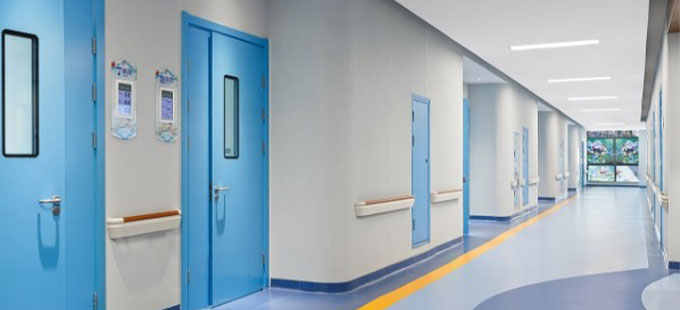
Installation of Air Tight Doors in Financial Sector Transit Facilities

Customized Water Resistant Doors for Chengdu Metro Station Infrastructure

Air Tight Window Systems for International Financial Center Transit Zones
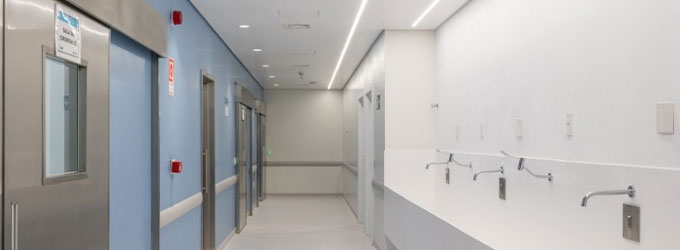
High-Performance Water Tight Doors at Neijiang Sports Transit Hub
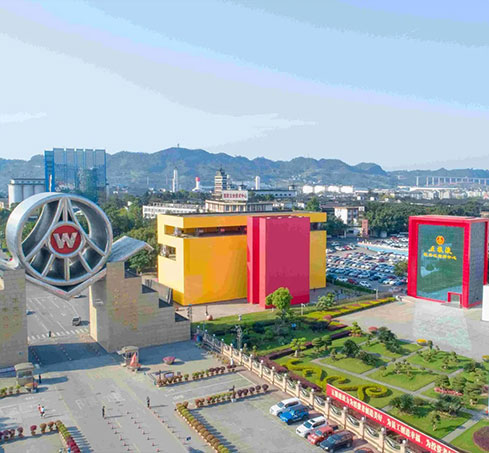
Blast Resistant & Water Tight Doors for International Convention Center Transit Access

Secure Transit Doors Integrated into Renju Jincheng Real Estate Development
 Barrier to a Dry World: High-Performance Moisture Tight Doors
 Dynamic Guardian: The Elegant Opening and Closing of Automatic Garage Doors
 Guarding Health with Style: The Unique Role of Clinic Doors
 Blast Resistant Doors: Fortifying Safety Against All Threats
Natural Elegance, Timeless Beauty – Exquisite Solid Wood Doors for Every Corner
Safe Vision — Nano-Silica Insulated Fire-Resistant Glass
Forced Entry Resistant Door: The Reliable Gatekeeper – Keeping Intruders at Bay
Stainless Steel Fire-Rated Doors
Blast Resistant Doors: Fortifying Safety Against All Threats
Natural Elegance, Timeless Beauty – Exquisite Solid Wood Doors for Every Corner
Safe Vision — Nano-Silica Insulated Fire-Resistant Glass
Forced Entry Resistant Door: The Reliable Gatekeeper – Keeping Intruders at Bay
Stainless Steel Fire-Rated Doors