
Leave Your Message
An airtight door is a specialized industrial door engineered to create a hermetic or near-hermetic seal between two environments, preventing the passage of gases, vapors, dust particles, pressure differentials, and contaminants. In chemical plants and hazardous areas, these doors are not merely architectural elements — they are critical safety infrastructure that directly determines whether a facility meets regulatory compliance, protects worker health, and prevents catastrophic environmental incidents.
Unlike conventional steel or fire-rated doors, airtight doors are designed and tested to maintain a defined air leakage rate under both positive and negative pressure conditions. They integrate multi-layer sealing gaskets, precision-machined frames, compression locking mechanisms, and corrosion-resistant surface treatments to deliver consistent performance across decades of industrial use.
According to the International Labour Organization, chemical and process industries account for a disproportionately high share of workplace fatalities and environmental incidents globally. Regulatory frameworks including ATEX (EU), NEC (USA), OSHA 29 CFR 1910.119, and China's GB 50016 increasingly mandate the use of certified airtight and explosion-resistant barriers in facilities handling flammable, toxic, or reactive substances.
The global market for industrial airtight and specialty doors has grown substantially over the past decade, driven by tightening environmental regulations, expanding chemical manufacturing capacity in Asia, the Middle East, and Southeast Asia, and heightened awareness of industrial accident consequences following high-profile incidents. Market research indicates the industrial door sector — including airtight, blast-resistant, and gas-tight variants — is projected to surpass USD 12 billion globally by 2028, with chemical and petrochemical applications representing one of the fastest-growing segments.
In China alone, the chemical industry employs over 6 million workers across more than 30,000 registered facilities. The government's "Safe Production Law" amendments and the updated "Hazardous Chemical Safety Management Regulations" have significantly raised the baseline requirements for physical containment infrastructure, creating strong demand for certified airtight door solutions. Similar regulatory momentum is observed in India, Vietnam, Indonesia, and across the Gulf Cooperation Council (GCC) region, where large-scale petrochemical complexes are under active construction.
For facility owners and EPC (Engineering, Procurement & Construction) contractors, the specification of airtight doors has evolved from a compliance checkbox to a strategic procurement decision. Total cost of ownership, third-party certification, lead time reliability, and after-sales technical support are now equally weighted alongside unit price in tender evaluations.
Every component of a FORTISAFE airtight door is precision-engineered for the extreme demands of chemical plants, refineries, pharmaceutical facilities, and classified hazardous zones.
Advanced perimeter gasket systems with multi-point locking compress uniformly across the full door perimeter, achieving air leakage rates below 1 m³/h·m² at 50 Pa differential pressure — meeting the most stringent industrial standards.
Door skins and frames are available in hot-dip galvanized steel, 304/316 stainless steel, or epoxy-powder-coated carbon steel, resisting acids, alkalis, solvents, and industrial cleaning agents across a pH range of 2–12.
Reinforced door leaf construction with internal steel ribbing and blast-rated hardware withstands overpressure impulses, protecting adjacent areas during accidental detonation or pressure vessel rupture events.
Combined airtight and fire-rated configurations (up to 240 minutes) allow a single door to simultaneously serve as a gas barrier and a fire compartment boundary, reducing installation complexity and cost.
All electrical components — including electromagnetic hold-opens, access control interfaces, and panic hardware — are available in ATEX-certified variants suitable for Zone 1, Zone 2, Zone 21, and Zone 22 classified areas.
Specialized gasket compounds and thermally broken frame profiles maintain sealing integrity across operating temperatures from -40°C to +120°C, suitable for cryogenic storage, high-temperature process buildings, and outdoor installations.
From upstream petrochemical extraction to downstream specialty chemical manufacturing, airtight doors serve as the backbone of containment strategy across a wide spectrum of hazardous environments.
Control rooms, electrical substations, and safe havens within refinery complexes require airtight doors rated for hydrocarbon vapor exclusion and blast overpressure. FORTISAFE doors provide the gas-tight barrier between classified Zone 1/2 areas and safety-critical occupied spaces, ensuring operators remain protected during process upsets.
In API (Active Pharmaceutical Ingredient) production and biocontainment facilities, airtight doors maintain differential pressure cascades between cleanroom grades, preventing cross-contamination between production suites. Smooth, crevice-free surfaces facilitate validated cleaning and sanitization procedures compliant with FDA 21 CFR and EU GMP Annex 1.
The explosive growth of lithium-ion battery gigafactories has created urgent demand for airtight doors capable of containing thermal runaway events. Doors separating battery formation areas, electrolyte handling rooms, and dry rooms must seal against HF vapor, flammable electrolyte mist, and the overpressure of cell venting events.
Semiconductor fabrication plants utilize dozens of highly toxic and pyrophoric specialty gases including silane, arsine, and phosphine. Airtight doors between gas cabinet rooms, fab bays, and support corridors prevent toxic gas migration and ensure emergency response teams can safely access affected zones.
Digester buildings, sludge processing areas, and biogas compression rooms generate hydrogen sulfide, methane, and ammonia at concentrations that are both toxic and explosive. Airtight doors with corrosion-resistant coatings and non-sparking hardware prevent gas accumulation in adjacent occupied areas.
NBC (Nuclear, Biological, Chemical) protective shelters and military command facilities require airtight doors with CBRN filtration interfaces, overpressure capability, and EMP-hardened locking systems. These applications demand the highest level of sealing performance combined with rapid manual override capability.
Next-generation airtight doors are being equipped with embedded sensors that continuously monitor seal integrity, door position, differential pressure across the door leaf, and hardware condition. Data is transmitted via industrial protocols (Modbus, Profibus, OPC-UA) to plant DCS/SCADA systems, enabling predictive maintenance and real-time safety status dashboards. This shift from passive barriers to active smart safety nodes represents a fundamental evolution in industrial door technology.
Environmental regulations and ESG commitments are driving demand for airtight doors manufactured with recycled steel content, low-VOC coatings, and halogen-free gasket materials. Lifecycle assessment (LCA) documentation is increasingly requested by multinational chemical companies as part of their supply chain sustainability reporting requirements.
EPC contractors and facility operators are increasingly specifying pre-assembled, pre-tested airtight door units that arrive on-site ready for installation without field adjustment of seals or hardware. Factory acceptance testing (FAT) protocols with witnessed pressure testing are becoming standard, reducing commissioning risk and schedule delays on major capital projects.
As industrial facilities adopt Industry 4.0 architectures, airtight doors are increasingly integrated with biometric access control, visitor management systems, and emergency mustering platforms. Cybersecurity hardening of door controller firmware is emerging as a procurement requirement, particularly for critical national infrastructure and defense-adjacent facilities.
Leading airtight door manufacturers now provide BIM (Building Information Modeling) objects and digital twin data packages that allow facility designers to incorporate accurate door performance data — including airflow resistance, thermal performance, and maintenance schedules — directly into facility management platforms from the design stage onward.
China, India, South Korea, and Southeast Asian nations are collectively investing hundreds of billions of dollars in new chemical, semiconductor, and battery manufacturing capacity. This unprecedented wave of greenfield industrial construction is creating a sustained multi-decade demand surge for certified airtight door solutions, with local manufacturing capability and rapid delivery becoming key competitive differentiators for global suppliers.

Dujiangyan Jindun Protective Equipment Co., Ltd. is a professional manufacturer of doors and windows. Our premium brand FORTISAFE, dedicated to the global market, is committed to delivering high-quality products and comprehensive services to customers worldwide.
Backed by three state-of-the-art manufacturing bases covering a total area of 35,000 square meters, we operate with a skilled team of over 120 professionals and 12 advanced production lines, achieving an annual capacity of 300,000 sets of doors and windows. This large-scale production capability not only ensures efficiency, but also provides our overseas partners with a stable and dependable supply chain.
As a comprehensive enterprise integrating R&D, manufacturing, sales, and after-sales service, we stand out with cutting-edge fully automated production equipment and intelligent management systems. Supported by over 20 patented technologies, we demonstrate strong technical expertise. Our extensive product range includes steel doors, wooden doors, medical doors, fire rolling shutters, fire rated windows, fire rated glass, and specialized doors and windows.
Read More About Us
From initial concept to final delivery, our end-to-end OEM/ODM process ensures your custom airtight door solution meets exact specification, on time and within budget.
The first step in our service is engaging in in-depth communication with customers to fully understand their specific needs. This includes the door and window dimensions, fire rating, design style, installation environment, and any special functional requirements.
Enquire Now →Based on your requirements, our professional design team will create detailed product drawings showcasing the appearance design, structural details, material specifications, and installation methods. You may propose revisions until drawings fully meet your expectations.
Enquire Now →Once design drawings are finalized, communication with the R&D department ensures feasibility and compliance with safety standards. The R&D team evaluates technical requirements, selects appropriate materials and processes, and ensures product performance and quality.
Enquire Now →Before confirming the order, we will discuss and finalize payment methods with the customer. Typically, this includes a deposit and balance payment, along with the agreed-upon payment schedule to ensure mutual clarity and confidence.
Enquire Now →Clearly defining the delivery time is crucial for the customer's project planning. We provide a reasonable delivery schedule based on the production plan and customer needs, with consistent communication and timely updates on production progress throughout.
Enquire Now →Once all details are confirmed, the order officially enters the production phase. The production team strictly follows drawings and specifications to ensure each door meets the highest quality standards. Multiple quality control inspections are conducted to ensure defect-free products.
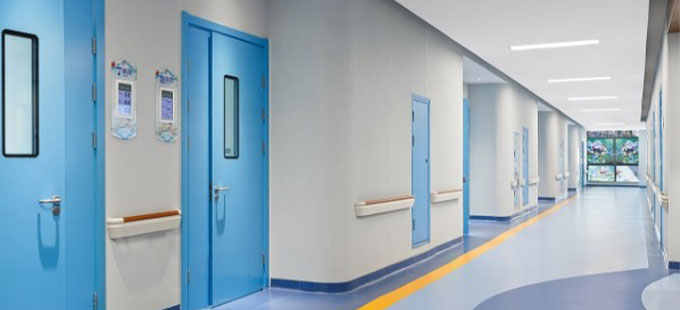
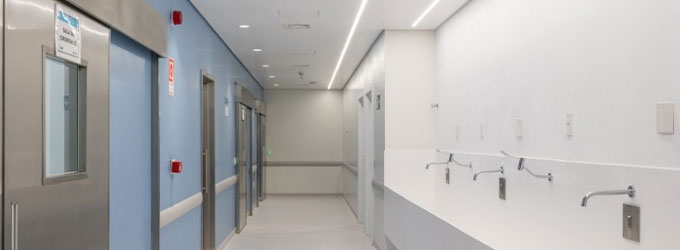
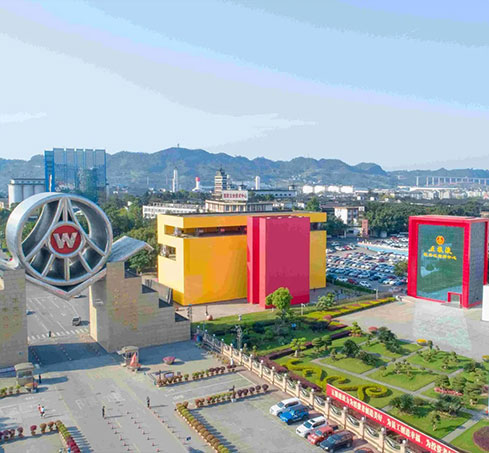
Enquire Now →FORTISAFE airtight and specialty doors have been successfully installed across major industrial, commercial, and infrastructure projects throughout China and internationally.






Beyond airtight doors for chemical plants, FORTISAFE delivers a comprehensive portfolio of specialty doors and windows engineered for safety, security, and performance.


Our engineering team is ready to assist with product selection, technical specifications, certification documentation, and custom OEM/ODM solutions for chemical plants, hazardous areas, and demanding industrial environments worldwide.
Get a Free Consultation