Leave Your Message
The global energy sector operates under some of the most stringent safety regulations in the world, and for good reason. Power plants, substations, and utility rooms are environments characterized by immense thermal energy, high-voltage electrical equipment, and combustible materials like transformer oils and specialized gases. In the event of an electrical fault, short circuit, or mechanical failure, the risk of a catastrophic fire is exceptionally high. To mitigate these risks, the integration of Fire Resistant Glass for Power Plants and Utility Rooms has evolved from a simple architectural consideration to a fundamental pillar of industrial safety engineering.
Historically, utility rooms and power generation facilities relied heavily on solid steel or concrete barriers to compartmentalize fire risks. While effective at containing flames, these opaque barriers created dark, isolating environments that hindered operational visibility. Plant operators could not visually monitor equipment without physically entering high-risk zones. Today, advanced fire-resistant glass technologies bridge this gap. By utilizing cutting-edge materials such as nano-silica insulation, modern fire-rated glazing provides the structural integrity and thermal resistance of a solid wall while maintaining optical clarity. This allows for continuous visual inspection of switchgears, transformers, and control panels, significantly improving response times during the incipient stages of an equipment malfunction.
The commercial and industrial status of fire-resistant glass in the power generation sector is currently experiencing a massive upward trajectory. Driven by rapid global industrialization, the transition to renewable energy grids, and the modernization of aging infrastructure, utility companies are investing heavily in advanced passive fire protection systems. According to recent industry reports, the market for industrial-grade fire-rated glass is expanding at a compound annual growth rate (CAGR) of over 8%, with the energy sector being a primary consumer.
This growth is strictly governed by international safety standards. Organizations such as the National Fire Protection Association (NFPA), Underwriters Laboratories (UL), and European Norms (EN) dictate rigorous testing protocols for materials used in utility environments. For instance, glass installed in a power plant's transformer room must often meet EI (Integrity and Insulation) classifications. It is not enough for the glass to merely stop the passage of flames and smoke (Integrity); it must also prevent the transfer of radiant heat (Insulation). If a high-voltage transformer erupts into an oil fire reaching temperatures of 1000°C (1832°F), the unexposed side of an EI-rated glass panel will remain cool enough to touch, protecting escape routes and preventing the auto-ignition of adjacent combustible materials.
Understanding the specific application scenarios of fire-resistant glass within a utility facility highlights its indispensable value. The architecture of a power plant is highly compartmentalized, with each zone presenting unique fire dynamics.
1. Central Control Rooms (CCR): The brain of any power plant is its control room. Here, operators monitor SCADA systems, turbine speeds, and grid outputs. Control rooms are often situated adjacent to turbine halls or boiler rooms for logistical efficiency. Fire-resistant glass is extensively used to create large observation windows. In the event of a turbine explosion or boiler fire, these high-performance glass panels protect the operators from blast waves, toxic smoke, and lethal thermal radiation, allowing them to safely execute emergency shutdown procedures.
2. Transformer and Switchgear Rooms: These utility rooms house equipment that handles massive electrical loads. Electrical arcs can cause the sudden vaporization of copper and the ignition of insulation materials. Fire-resistant glass used in the doors and partitions of these rooms is often engineered with blast-resistant properties. This dual-threat protection ensures that an arc flash explosion does not shatter the glass, thereby maintaining the fire compartmentation and preventing the fire from spreading to the rest of the facility.
3. Battery Energy Storage Systems (BESS): With the rise of solar and wind power, massive lithium-ion battery storage rooms are becoming standard in utility infrastructure. Lithium-ion battery fires are notorious for thermal runaway, producing intense heat and toxic off-gassing. Specialized fire-rated glass partitions are crucial in these environments to isolate individual battery racks, allowing automated suppression systems to extinguish localized fires before they consume the entire facility.
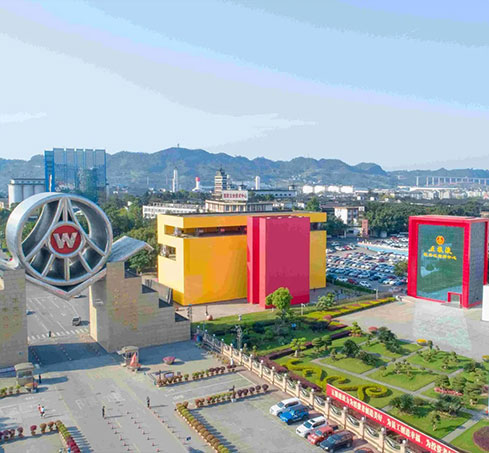
Dujiangyan Jindun Protective Equipment Co., Ltd. is a professional manufacturer of doors and windows. Our premium brand FORTISAFE, dedicated to the global market, is committed to delivering high-quality products and comprehensive services to customers worldwide.
Backed by three state-of-the-art manufacturing bases covering a total area of 35,000 square meters, we operate with a skilled team of over 120 professionals and 12 advanced production lines, achieving an annual capacity of 300,000 sets of doors and windows. This large-scale production capability not only ensures efficiency, but also provides our overseas partners with a stable and dependable supply chain.
As a comprehensive enterprise integrating R&D, manufacturing, sales, and after-sales service, we stand out with cutting-edge fully automated production equipment and intelligent management systems. Supported by over 20 patented technologies, we demonstrate strong technical expertise. Our extensive product range includes steel doors, wooden doors, medical doors, fire rolling shutters, fire rated windows, fire rated glass, and specialized doors and windows. Each solution delivers precise and reliable quality to meet your diverse needs.
Read more


The future of fire resistant glass for power plants and utility rooms is being shaped by rapid advancements in material science and smart technology integration. One of the most significant breakthroughs is the refinement of Nano-Silica Gel Technology. Unlike traditional intumescent gels that can turn opaque or degrade over time when exposed to UV light, advanced nano-silica interlayers remain crystal clear for decades. When exposed to fire, this gel undergoes an endothermic reaction, expanding and transforming into an opaque, rigid foam. This foam acts as a phenomenal thermal insulator, blocking up to 99% of radiant heat transfer. This is critical in utility corridors where escaping personnel could otherwise suffer severe burns simply from walking past a burning room, even if the flames are contained.
Furthermore, the integration of Artificial Intelligence (AI) and smart sensors into the glass matrix is a growing trend. Forward-thinking utility facilities are exploring the use of electrochromic fire-rated glass that can automatically tint to reduce glare on control room screens during normal operations, but instantly switch to maximum clarity during an emergency to aid first responders. Additionally, micro-sensors embedded within the glass framing can detect rapid temperature spikes or structural stress, instantly relaying this data to the central AI-driven Building Management System (BMS). This allows the system to predict potential glass failure points and automatically trigger localized fire suppression systems before the situation escalates.
Implementing these advanced glazing solutions requires a holistic approach to facility design. Fire-resistant glass is only as effective as the frame that holds it. In power plants, these frames are typically constructed from heavy-duty steel or stainless steel, engineered to withstand both thermal expansion and potential explosive forces. The installation process must be executed by certified professionals, ensuring that all intumescent seals and fire-retardant caulking are applied perfectly to prevent smoke penetration.
From a lifecycle perspective, the durability of modern fire-rated glass offers an excellent Return on Investment (ROI). Unlike traditional opaque fire doors that are prone to denting, rusting, and mechanical hinge failure due to their immense weight, high-quality steel-glass fire doors provide robust longevity. Routine maintenance primarily involves visual inspections of the seals and standard cleaning, making them highly cost-effective over the 30-to-40-year lifespan typical of power generation facilities.

Engaging in in-depth communication with customers to fully understand their specific needs, including dimensions, fire rating, style, installation environment, and functional requirements.
Enquire NowOur professional design team will create detailed product drawings showcasing appearance, structural details, material specifications, and installation methods.
Enquire NowCommunication with the R&D department to ensure design feasibility and compliance with safety standards, selecting appropriate materials and processes.
Enquire NowBefore confirming the order, we will discuss and finalize payment methods with the customer, including deposit, balance payment, and schedules.
Enquire NowProviding a reasonable delivery schedule based on the production plan and ensuring consistent communication throughout the production process.
Enquire NowThe order officially enters production. Our team strictly follows drawings to ensure each door and window meets the highest quality standards.
Enquire Now